

Imagine a fascinating tradition that blends history, culture, and a dash of the unexpected. Welcome to the world of älgföuga, a term that might send you down a rabbit hole of wonder and curiosity. It’s not just a word: it’s a doorway into the fascinating heritage of Scandinavia. Join us as we explore what älgföuga truly is, why it matters, and how it has evolved over time. Buckle up – it’s going to be an intriguing ride.
Älgföuga
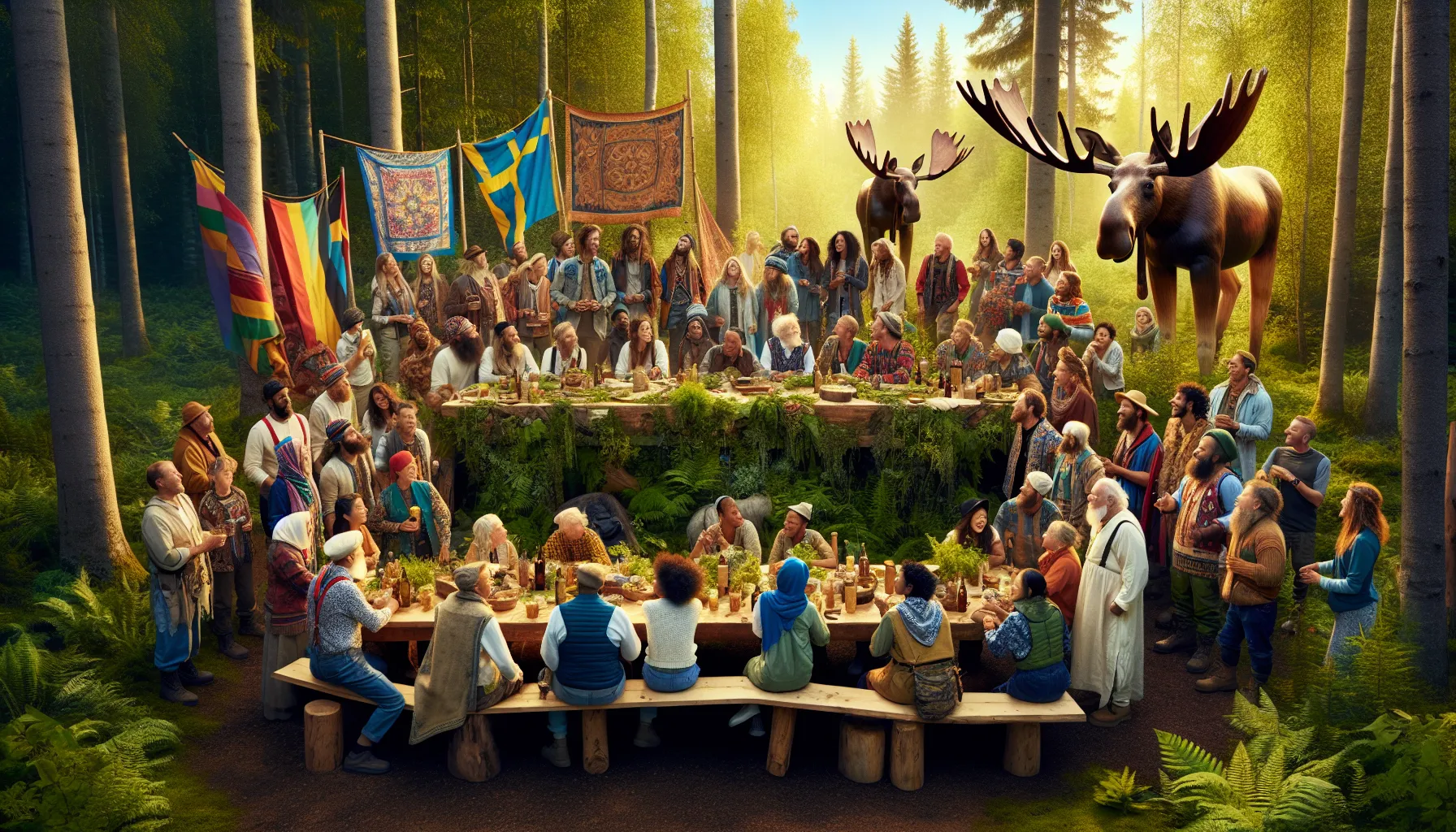
At its core, älgföuga refers to a unique cultural practice deeply rooted in Scandinavian traditions. Essentially, it encapsulates the idea of celebrating and respecting nature, particularly the majestic moose, or ‘älg’ in Swedish. This practice involves various rituals and activities aimed at honoring the connections between humans and wildlife, creating a deeper understanding of the environment around us.
From storytelling to communal events, älgföuga is not merely a passive observation: it’s an active engagement with nature. By participating in these practices, we foster a sense of community and shared values around wildlife conservation and appreciation.
Historical Significance of Älgföuga
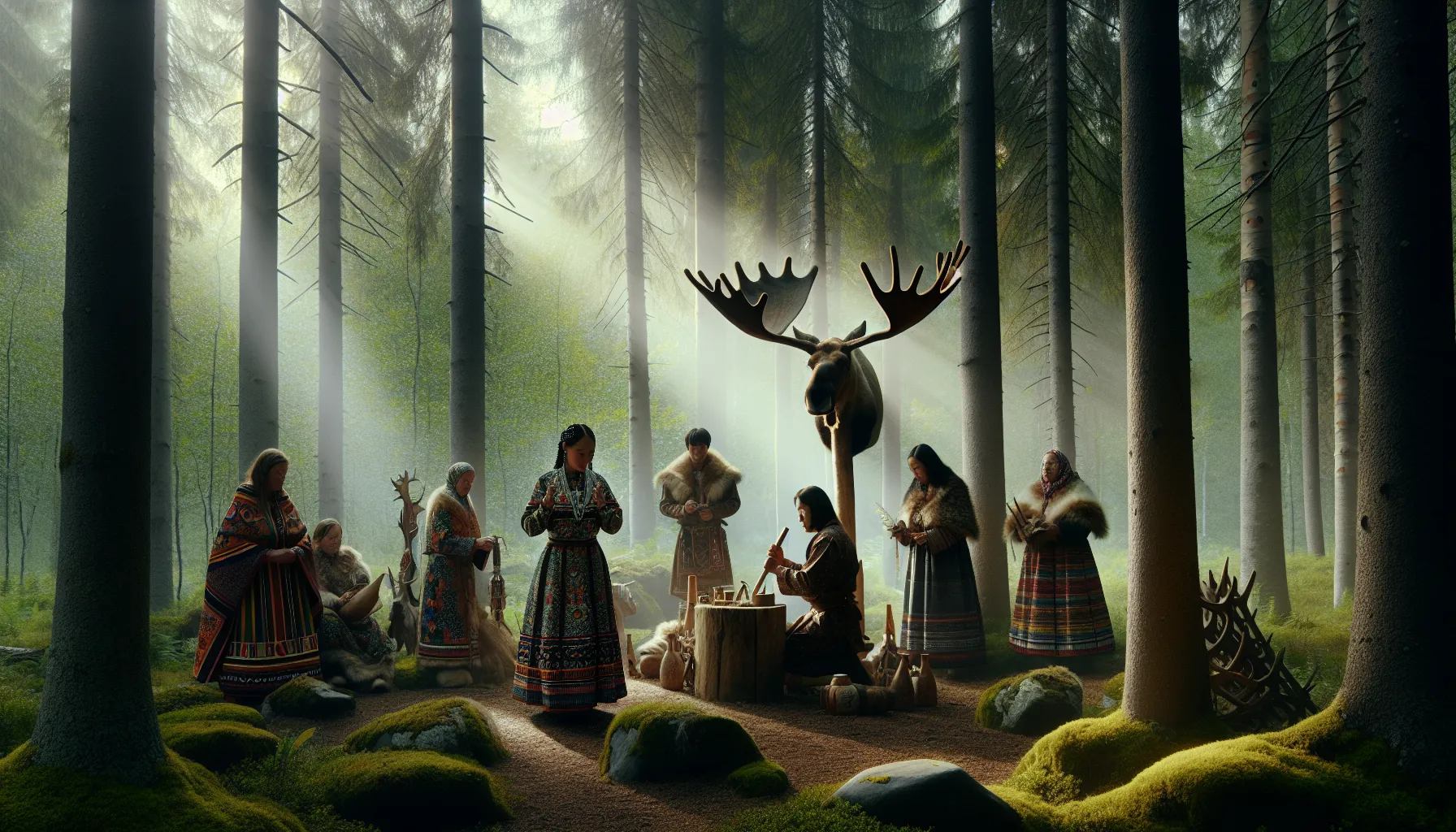
We can’t talk about älgföuga without delving into its rich history. The roots of this tradition stretch back centuries, intertwined with Viking lore and the indigenous Sámi culture. Historically, these practices served a dual purpose: honoring the spiritual essence of the moose while also highlighting its importance as a resource for survival.
In ancient times, communal hunts were more than just a means of sustenance: they were events filled with rituals that reinforced social bonds. When we look back at these historical practices, we see the ways in which älgföuga has shaped local identities and fostered unity among different communities throughout Scandinavia.
Cultural Impact and Symbolism
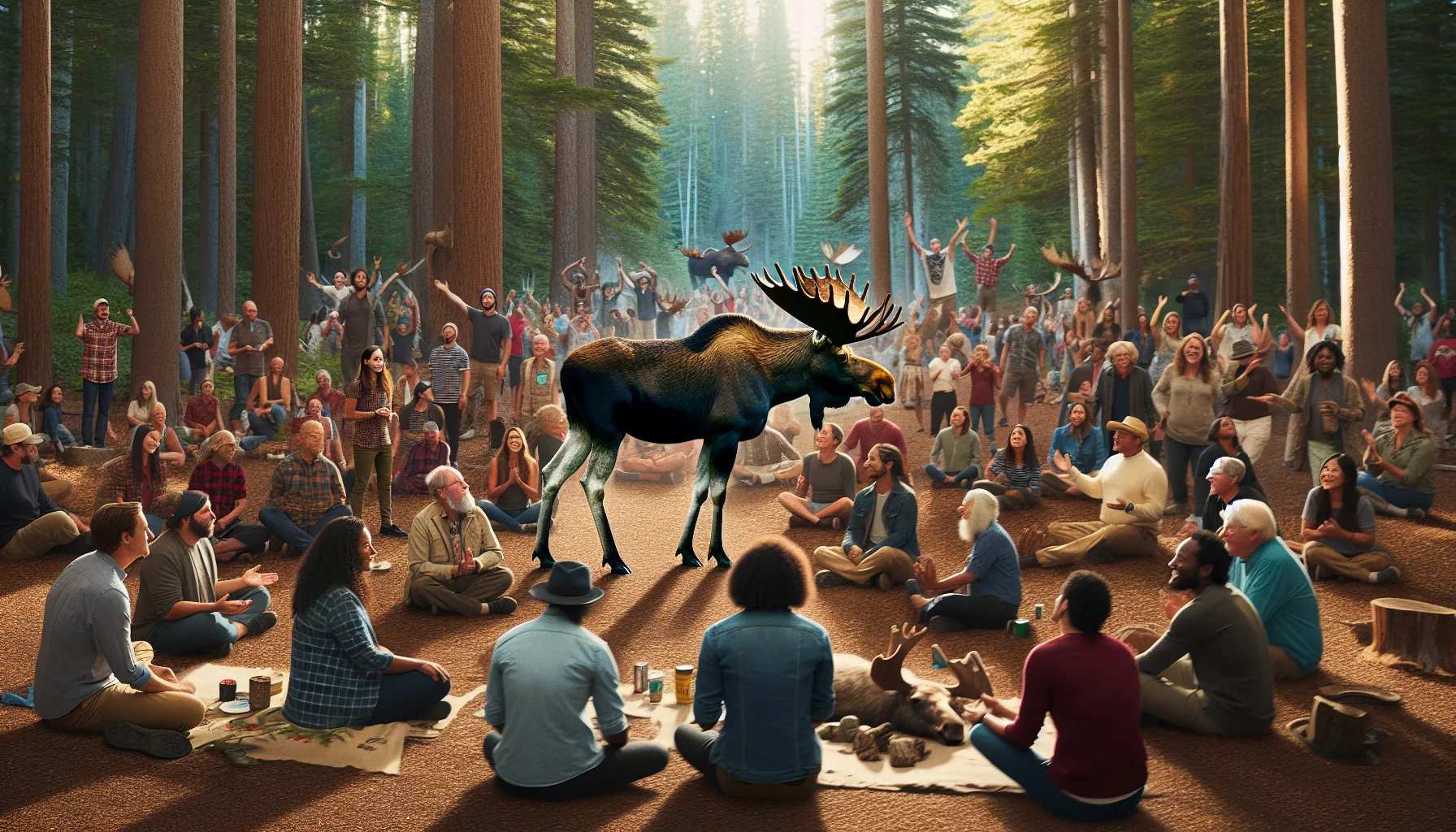
As we peel back the layers of älgföuga, we discover its profound cultural impact and symbolism. The moose symbolizes strength, endurance, and a close relationship with nature. In stories and art, the moose often represents resilience, mirroring the challenges faced by humans living in harmony with the wilderness.
Throughout our journey of exploring älgföuga, we witness how this tradition encapsulates the value of coexistence between people and nature. Public gatherings celebrating this cultural facet bring communities together, encouraging a shared appreciation for wildlife and the lessons it can impart.
Practices and Traditions Associated with Älgföuga
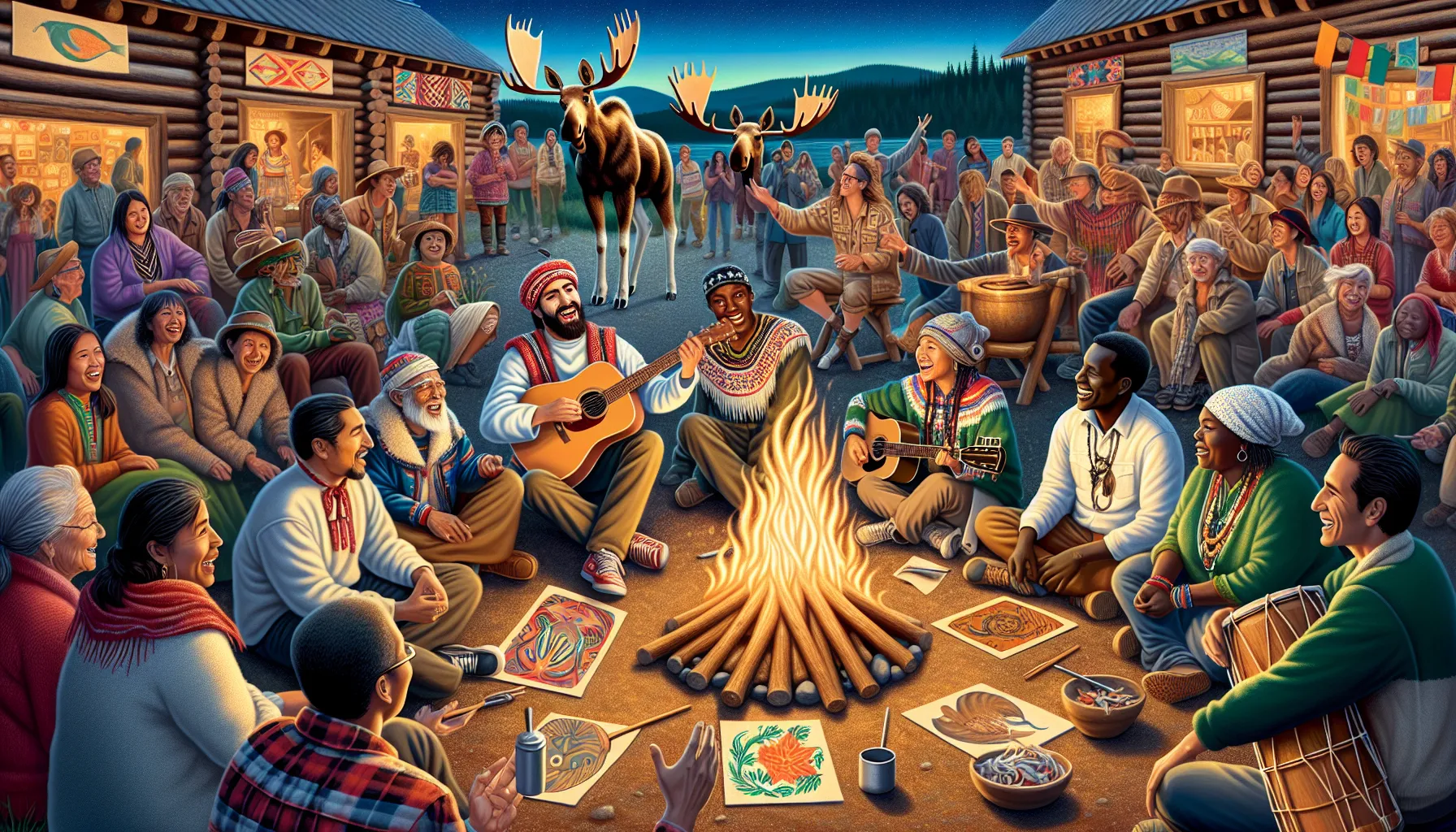
Engaging with älgföuga means immersing ourselves in an array of practices and traditions. These can range from storytelling sessions around a cozy fire to artistic expressions like painting or crafting that honor moose and their habitat. We might also encounter lively festivals where food, music, and dance bring the community together.
One particularly fascinating aspect is the integration of modern conservation efforts with these traditional practices. This fusion is something beautiful, as it preserves historical significance while advocating for contemporary wildlife protection. We believe these practices not only celebrate the past but also set a precedent for sustainable living.
Modern Interpretations and Adaptations

Fast forward to today, and älgföuga has taken on modern interpretations that resonate with new generations. We see environmental movements integrating älgföuga as a way to advocate for wildlife preservation. The principles of respect and harmony with nature have become vital messages in our ongoing dialogue about conservation.
Also, contemporary art forms have embraced älgföuga, with artists using their platforms to create awareness around wildlife and the environment. This transformation illustrates how dynamic and adaptable älgföuga can be, making it relevant even in our increasingly urban lives.