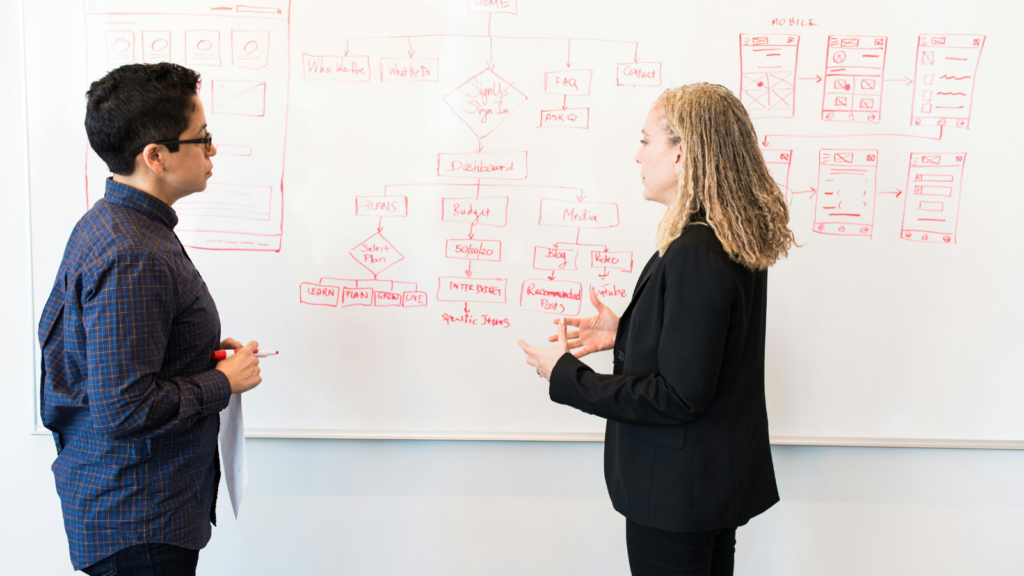

Planning a successful business gathering requires focus, strategic preparation, and a clear structure from start to finish. Successful professional events leave lasting positive impressions on attendees and directly assist organizations in reaching key commercial targets.
Thorough coordination demands time, disciplined effort, and careful attention to every administrative detail. Following structured, practical planning steps helps organizers build engaging guest experiences without experiencing unnecessary operational stress.
Defining Clear Objectives for Your Gathering
Every successful corporate gathering begins with a well-defined primary purpose. Establishing what you want to accomplish shapes every single decision moving forward through the entire planning timeline.
Clear operational targets guide your choice of location, speaker selection, presentation topics, and daily scheduling options. Team members make faster decisions when everyone understands the core focus right from day 1.
Aligning organization targets with participant expectations creates a reliable project foundation. Focused targets keep team planning efforts structured, efficient, and aligned with company priorities throughout the project lifecycle.
Building an Effective Budget Framework
Detailed financial tracking protects your corporate project from unexpected expenses and sudden cost overruns. Establishing strict spending caps early allows management teams to allocate funds effectively whether managing $5,000 or $50,000.
Published industry statistics indicate 69% of businesses report corporate events directly contribute to revenue growth. Direct financial planning justifies corporate spending by linking upfront costs directly to long-term commercial returns.
Reserving dedicated emergency funds protects your main budget when unexpected venue fees or vendor costs arise late in the timeline. Smart coordinators track every single line item to maintain full financial control during the planning cycle.
Selecting the Ideal Venue and Format
The right event venue sets the functional tone for your entire professional gathering. Chosen spaces must seat total attendee numbers comfortably while supplying necessary technical equipment and quiet breakout rooms for networking.
Evening schedules benefit greatly from professional performance choices that keep energy levels high after business hours. Hiring entertaining after dinner speakers helps keep guests fully engaged after a full day of dense corporate presentations. This strategy leaves attendees with lasting positive memories of the entire evening program.
Location accessibility and room layout play major roles in guest satisfaction and physical comfort. Prioritizing guest convenience over superficial decorations prevents logistical friction during the main event.
Curating Engaging Content and Speakers
High-quality session content keeps participants focused and active across the entire daily schedule. Selecting relevant, actionable presentation topics helps attendees gain valuable insights from attending your scheduled sessions.
Interactive session options provide structured opportunities for ongoing professional growth. Industry analysis indicates workshops, seminars, or industry panels allow employees to develop new skills and exchange knowledge.
Varying presentation styles keeps participant attention sharp during long afternoon sessions. Combining concise keynote presentations with structured audience discussions maintains energy across the main room.
Streamlining Registration and Communication
Efficient registration procedures create positive initial impressions for all arriving guests. Digital registration portals speed up arrival check-in and prevent long queuing lines near welcome counters.
Clear communications inform guests before and during the gathering. Sending timely directions reduces guest confusion regarding room locations, parking arrangements, and session times:
- Clear directions and parking guidance sent 3 days before entry.
- Mobile-friendly schedules accessible online for rapid viewing.
- Instant SMS notifications for urgent daily schedule changes.
Consistent communication builds trust and removes attendee uncertainty upon arrival. Clear directions and accessible schedules make venue navigation straightforward for all participants throughout the day.
Managing On-Site Operations Smoothly
Smooth on-site execution requires clear team leadership and constant staff communication. Assigning specific operational responsibilities to staff members prevents confusion during busy morning registration hours.
Data shows 82% of associations identified events as their top revenue driver. Strong financial potential makes flawless on-site management a priority for modern organization leaders.
Testing microphones, sound systems, and video projectors early avoids technical failures during live speeches. Rapid resolution of minor technical issues keeps scheduled presentations running according to the master timeline.
Evaluating Post-Event Feedback and Metrics
Collecting participant feedback right after closing provides valuable data for planning teams. Digital survey forms give attendees a convenient way to share opinions on session quality and organization.
Reviewing attendance metrics reveals which specific topics delivered the greatest value to your audience. Analyzing total spending against operational outcomes helps planners refine future event budgeting models.
Documenting operational successes and unexpected challenges prepares staff members for future projects. Continuous learning helps every upcoming conference operate better than previous iterations.

Organizing professional events demands disciplined preparation, strong team coordination, and constant focus on detail. Smart event planners build organized foundations that deliver practical benefits for sponsors, hosts, and guests alike.
Applying structured planning strategies turns complex logistical projects into smooth commercial successes. Thoughtful execution creates strong professional relationships and supports long-term corporate growth.