
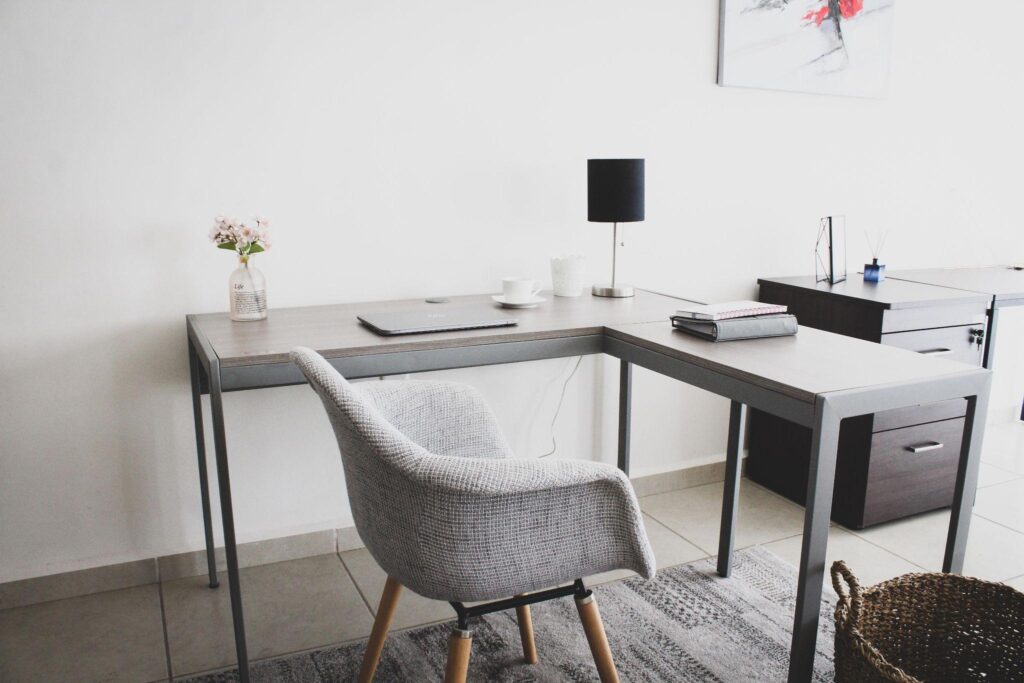
Managing home spaces requires reliable habits and structured routines to keep daily living areas feeling spacious and functional. Setting aside just 15 minutes each day to clear flat surfaces transforms the overall atmosphere of a home quickly.
Small daily efforts prevent clutter from building up into massive weekend chores that consume valuable personal time. Establishing simple systems allows every member of the household to know exactly where individual items belong.
Set Up Daily 10-Minute Micro Routines
Short bursts of active tidying keep living rooms and kitchen counters tidy without taking up whole afternoons. Setting a kitchen timer for 10 minutes creates a fast pace that maintains sharp focus across every family member.
Clearing off main surfaces every evening prevents morning chaos long before anyone wakes up for school or work. Offloading extra seasonal belongings into student storage in Dublin or your area can free up valuable room in bedroom closets. External holding areas maintain order when spare items begin overflowing primary storage spots.
Assigning each person one quick responsibility turns daily upkeep into an efficient team effort across the home. Practiced consistently, these quick mini sessions prevent hours of heavy scrubbing and sorting later in the week.
Audit Household Belongings Before Buying Storage Tools
Purchasing plastic bins prior to sorting household items often leads to storing unnecessary clutter. Taking a full inventory first reveals what truly deserves a permanent spot inside hallway cabinets or bedroom drawers.
A homeowner guide on clutter noted that only 41% of purchases are actually made for logical reasons. Understanding emotional buying patterns helps curb incoming items before they pass through the front entrance. Restraining impulse buying keeps open shelving organized without constant rearranging.
Grouping similar items on the floor before selecting storage containers provides clear visual feedback on spatial needs. This simple visual inventory check prevents buying container sizes that sit empty inside crowded closets.
Use the Two-Minute Rule for Immediate Tasks
Small household tasks require far less effort when completed immediately rather than deferred to later times. Handling quick items instantly removes mental weight and keeps daily task lists short.
Processing incoming mail and wiping counter spills take seconds when handled right on the spot. Leaving minor items for later builds up overwhelming visual friction across active living areas.
Applying this immediate standard preserves flat surfaces throughout demanding workweeks. Household members adapt quickly once they experience how effortless daily maintenance becomes with minor actions.
Establish Dedicated Zones for Every Category
Belongings without permanent designated homes inevitably end up scattered across dining tables, chairs, and floor corners. Assigning fixed locations for car keys, work bags, and daily paperwork keeps morning routines running smoothly.
Marking shelves with clear labels guides younger children to return toys to proper bins without direct adult help. Transparent storage bins allow everyone to locate specific items without dumping out full boxes.
Setting up a dedicated landing spot near the main entrance keeps coats and umbrellas organized in one location. Maintaining daily gear near entry points prevents misplaced keys and stressful morning rushes.
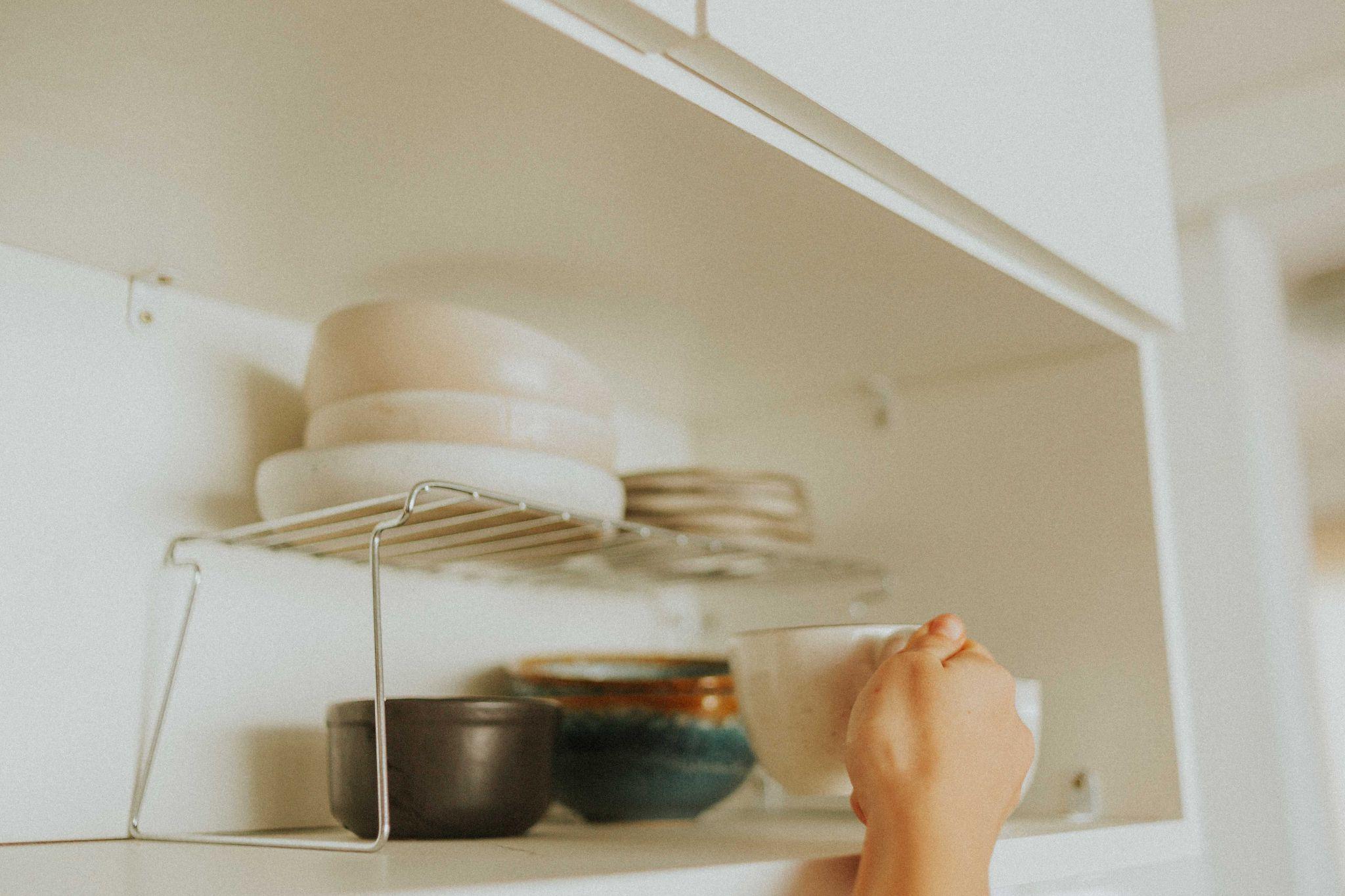
https://www.pexels.com/photo/hand-reaching-for-mug-in-modern-kitchen-cabinet-34578073/
Block Time for Weekly Maintenance Sweeps
Marking fixed calendar slots for routine resets prevents deep household disorganization from taking root. Treating these scheduled time blocks like serious appointments keeps home organization high on busy calendars.
Gathering similar chores into these weekly time slots speeds up cleaning progress across bedrooms and common rooms. Moving briskly through predetermined zones turns weekly maintenance into predictable, low-stress habits.
Evaluating household progress every week highlights which specific storage areas need updated organization systems. Adjusting routines early stops minor messes from spreading across entire living quarters.
Batch Similar Chores to Save Energy
Switching back and forth between different cleaning chores drains physical energy and reduces overall working speed. Grouping similar tasks keeps focus sharp while maximizing efficiency across rooms.
Wiping all glass surfaces and bathroom mirrors during one trip saves motion with cleaning spray bottles. Emptying every waste bin at once simplifies trash bag replacements across bedrooms and kitchens.
Focusing on single task categories builds strong momentum while moving room to room. Finishing entire item categories produces a satisfying sense of accomplishment after every session.
Implement a One-In, One-Out Policy
Maintaining balanced inventory levels prevents bedroom closets and kitchen pantries from becoming overcrowded with extra items. Bringing a new shirt into the home means donating an older item to keep physical space balanced.
This spatial boundary keeps storage areas well organized across bedrooms, utility rooms, and home garages. Applying this standard rule to books, toys, and kitchen gadgets stops cabinet spaces from reaching capacity.
Keeping total item counts stable makes regular cleaning routines significantly faster and easier to manage. Less overall stuff directly reduces time spent shifting items around during regular daily tidying.
Building consistent daily habits brings lasting peace and order to any home environment. Relying on short time blocks keeps small chores from expanding into weekend-long cleaning projects.
Maintaining regular routines preserves clear counter space and reduces stress for the whole family. Small actions repeated daily create comfortable living spaces that everyone can enjoy together.