
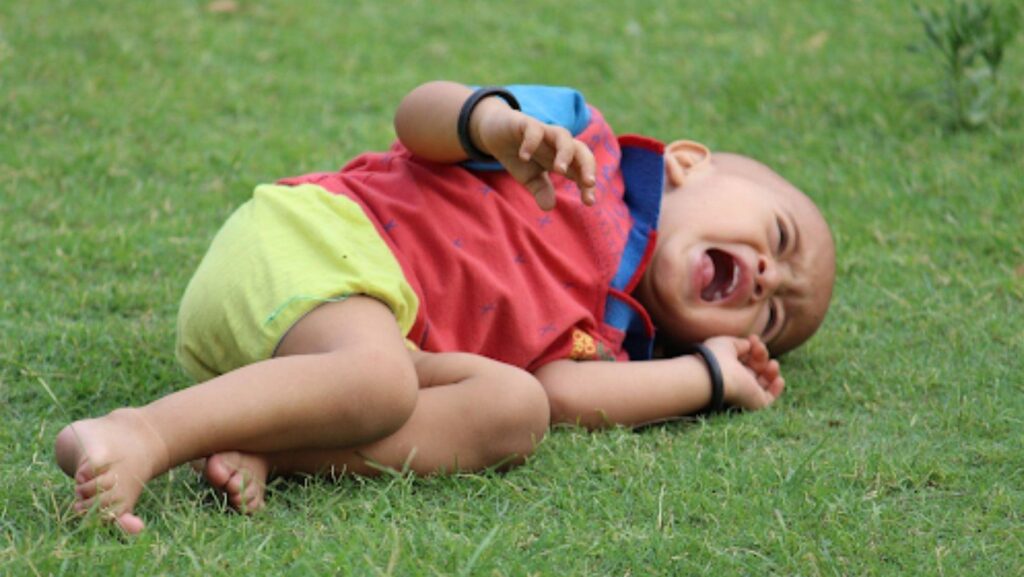
According to statistics, one child dies from an injury every hour, around one in every five deaths is due to injury, and every four seconds, a child is treated in an emergency department for an injury.
While you, as a parent, have the instinct to protect your child from harm, you can’t always be around to protect them. However, familiarizing yourself with the injuries to expect helps you address the safety risks within your environment to ensure injury prevention. Here are five infant and childhood injuries new parents should know about.
Fall Injuries
It’s estimated that over 2.2 million children aged 14 and below are treated in hospital emergency rooms for fall-related injuries annually. While falls are a common injury cause for children of all ages, babies lack the same balance and movement control as older kids, so they’re more prone to falling.
Playgrounds, mainly monkey bars and slides, cause most fall injuries. Other fall hazards may include stairs, beds with no railings, windows, raised landings, baby walkers, slippery bathtubs, and cluttered pathways.
Necrotizing Enterocolitis (NEC)
Not every infant injury comes from a fall or a bump. Necrotizing enterocolitis, or NEC, is a serious intestinal injury that you really want to know about, especially if you have a low-birth-weight baby. It causes inflammation and damage to the bowel tissue. In severe cases, parts of the intestine can die.
There have been claims that cow’s milk formula, particularly Enfamil baby formula, increases the risk of NEC in low-birth-weight and premature babies. If you have been feeding your child this milk and they are exhibiting signs of NEC, you want to talk to a product liability lawyer to help file an Enfamil lawsuit.
Cuts, Scrapes, and Bruises
Children are active, always running, jumping, climbing, and falling. Their hands, knees, and elbows are the most likely areas to get hurt. Minor bruises and bumps can be treated at home. For scrapes and cuts, clean the injury under running water, apply an antibiotic, and bandage it. If the cut is deep, large, or becomes swollen, you should call a doctor immediately.
Strains and Sprains
Kids get involved in several sports that may result in torn muscles, tendons, and ligaments, including soccer, baseball, and gymnastics. Strains and sprains heal quicker in children. However, it’s essential that your child sticks to activity restrictions, stretching, and strengthening rehabilitation to avoid re-injury.
Some sports injuries are due to muscle or joint overuse or traumatic injury. Most sports injuries are preventable with proper training and conditioning, appropriate protective wear, and proper equipment.
Teeth Injuries
Considering how much kids fall, jump, and play, teeth injuries are inevitable. If your child’s baby teeth or gums get injured, you can use a wet, cold gauze piece to apply pressure to the area. In case of any swelling, let your child suck on an ice pop or place an ice pack in a washcloth on their cheek to reduce it. You can also give them a painkiller for their pain, but consult a dentist first. If a tooth is chipped or broken, visit your dentist immediately.
Where the tooth turns black, it implies that the impact was hard or that the tooth sustained an injury. However, this heals on its own with time, but if the pulp in the tooth dies because of the trauma, it can cause the tooth to become infected or abscessed, resulting in extraction.
Endnote
Children are more prone to injuries due to their playful and curious nature. As a new parent, you should be on the lookout for these infant and childhood injuries.