
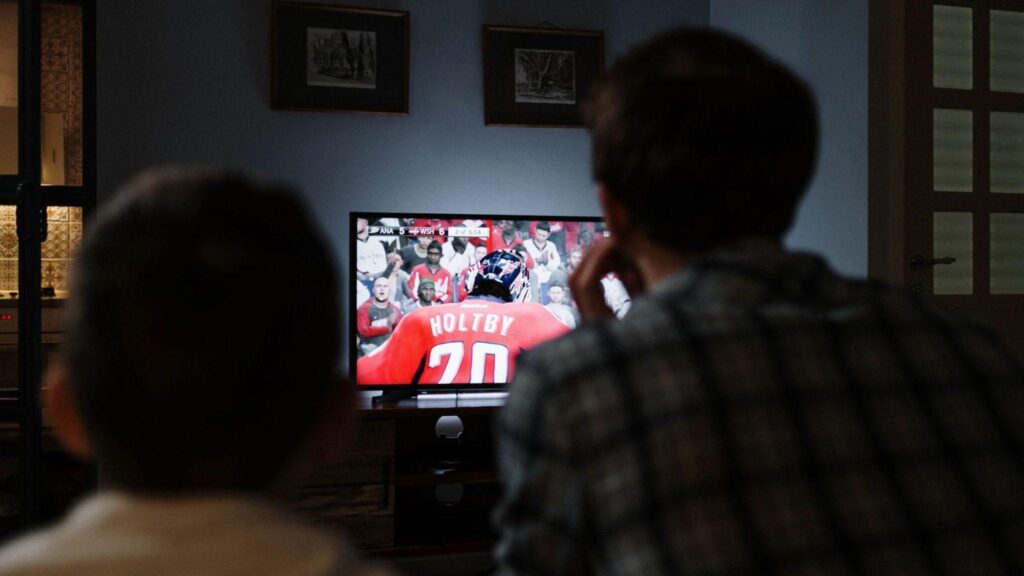
An NHL game can be the anchor for an enjoyable evening, but it does not need to dictate the whole night. The best game-night routines make room for the broadcast, the people watching with you, and the obligations waiting the next morning. A little advance planning also makes it easier to follow the sport with attention instead of drifting between alerts, snacks, and unfinished tasks.
Choose the game before the evening chooses you
Start with the schedule. Note the puck-drop time, the likely finish, and anything that cannot be moved, such as an early meeting, school run, or morning workout. Then choose the kind of viewing you actually have time for. A full game suits a free evening. A period, live radio call, or next-day recap may be the better choice when sleep matters more than staying for every shift.
Write the plan into your calendar rather than leaving it as a vague intention. A simple entry can include the game, a start and stop time, and one preparation task. If you are hosting, send the details early so guests know whether they are arriving for the opening faceoff or a later period. A realistic plan is more enjoyable than promising yourself an unlimited night and negotiating with the clock afterward.
The work-life balance planning ideas available from AgendaCover offer a useful lens here: leisure is easier to enjoy when it has a defined place alongside work, rest, and relationships. The point is not to make recreation feel like another appointment. It is to protect it from competing with everything else.
Make the room part of the plan
Game-night comfort is mostly a series of small decisions. Put the remote, charger, and water within reach before the broadcast begins. Use a lamp that does not reflect across the screen, and leave a clear path to the kitchen or bathroom. If friends are coming over, place food on a separate surface so the coffee table remains available for notes, drinks, and conversation.
A simple menu works better than a complicated one that keeps someone in the kitchen. Choose food that can be prepared before the game, then add one item that can be served between periods. This keeps the social rhythm intact and prevents the host from missing the best moments while trying to finish a recipe.
Keep the audio and screen setup modest. One well-positioned screen is usually enough for a shared evening. If you want live statistics, open them on one designated device rather than scattering phones around the room. That arrangement lets people follow the game without turning the gathering into a wall of notifications.
Watch the game as a game
A few notes can deepen your understanding without turning the evening into homework. Track how a team enters the offensive zone, how its penalty kill responds, or which line creates sustained pressure. Notice whether a change in pace follows a goal, a power play, or a defensive adjustment. These observations give you something to discuss during intermissions and remain interesting even when you have no personal stake in the result.
The NHL’s official FAQ points readers toward current rules and league resources. It is a sound reference when a penalty, review, or unfamiliar term prompts a question. Learning the structure of the sport can make a broadcast more absorbing without requiring a prediction about what happens next.
Try giving each period a different viewing question. In the first, watch how each team creates space through the neutral zone. In the second, focus on special teams or defensive coverage. In the third, notice how the score changes risk and tempo. A few focused questions keep the broadcast fresh and give everyone something specific to discuss during the next break.
Keep optional markets in their place
Some adults may also examine nhl betting online where legal and available. Keep it separate from hockey: use only a fixed entertainment amount, never money for bills, food, rent, debt, or savings, and never borrow or chase a loss. Check local age and licensing rules, and stop if the activity no longer feels easy to pause.
Build a finish that feels deliberate
Decide in advance what happens after the final horn. Guests might help clear dishes, a recap can wait until morning, and the score app can be closed with the rest of the evening’s tabs. If the game runs late, avoid adding another hour of analysis simply because the result was close. A planned ending protects sleep and makes it easier to look forward to the next fixture.
For more ideas on keeping practical routines manageable, explore organization and time-management guidance and AgendaCover’s practical resources. The strongest game-night habit is not watching every match. It is choosing the games that fit, making the space welcoming, and leaving enough of the week untouched for everything else that matters.