

Service dogs change lives. They provide independence, security, and emotional stability for people with disabilities and mental health conditions.
However, many potential handlers are surprised by how much training costs. Understanding the cost to train a service dog helps you plan, budget, and find a program that fits your needs and resources.
What Does It Cost to Train a Service Dog?
The cost to train a service dog in the United States typically ranges from $10,000 to $50,000, depending on the type of service, the organization, and the level of specialization required. Some highly specialized programs, such as those for guide dogs, can exceed $60,000 due to the intensive skills involved.
Here’s a general breakdown:
- Guide Dogs for the Visually Impaired: $20,000–$60,000.
- Mobility Assistance Dogs: $15,000–$30,000.
- Psychiatric or Autism Support Dogs: $10,000–$30,000.
Professional programs usually charge $15,000 to $50,000 for a fully trained dog that meets ADA standards. If you plan to train your own dog with professional help, costs can range from $1,000 to $13,000 depending on how much work you do yourself.
Programs like U.S. Service Animals’ service dog training make the process more accessible by offering structured, affordable online courses guided by certified trainers. These programs follow positive reinforcement techniques that are effective, humane, and adaptable to any breed.
Why Training a Service Dog Is So Expensive
Training a service dog requires hundreds of hours of specialized instruction and behavioral shaping. Each dog must master public access manners, task-specific commands, and the ability to stay calm and focused in unpredictable environments.
Several factors contribute to the total cost:
- Trainer Certification and Experience: Working with accredited trainers ensures compliance with ADA and state standards.
- Program Length: Full training can take 12 to 24 months.
- Task Specialization: Skills such as mobility support or seizure alert require precise, repetitive conditioning.
- Dog Selection and Health Screening: Candidates are evaluated for temperament, intelligence, and physical health before training begins.
- Public Access and Behavior Proofing: Dogs must remain reliable in busy areas, including stores, airports, and hospitals.
These expenses add up, but they ensure that service dogs are safe, confident, and capable of supporting their handlers in daily life.
Factors That Affect the Cost to Train a Service Dog
The cost to train a service dog can vary widely because no two programs or dogs are exactly alike. The final price depends on how the training is delivered, what tasks the dog must learn, and the dog’s natural temperament and progress. Understanding these elements helps owners set realistic expectations and choose the right training plan for their goals.
Type of Service Dog
Different types of service dogs require varying levels of training. Guide dogs for visual impairment need extensive navigation skills, while psychiatric service dogs focus on grounding and emotional regulation. The more specialized the tasks, the higher the cost.
Training Approach
In-person training through professional programs is the most expensive but offers hands-on experience. Board-and-train options can cost $1,000 to $5,000 for basic obedience, but they do not provide full service certification. Owner-assisted or hybrid training programs can significantly reduce expenses while maintaining quality through professional guidance.
Breed and Temperament
Some breeds, such as Labrador retrievers, golden retrievers, and standard poodles, are easier to train due to their intelligence and cooperative nature. Other breeds may require more time and reinforcement, which increases the total cost.
Choosing the right balance of professional guidance and owner involvement ensures that the training process remains both affordable and effective.
Is Professional Service Dog Training Worth the Cost?
Although the price can seem high, professional training delivers measurable value. A properly trained service dog enhances safety, improves independence, and strengthens emotional well-being. These benefits often outweigh the initial expense.
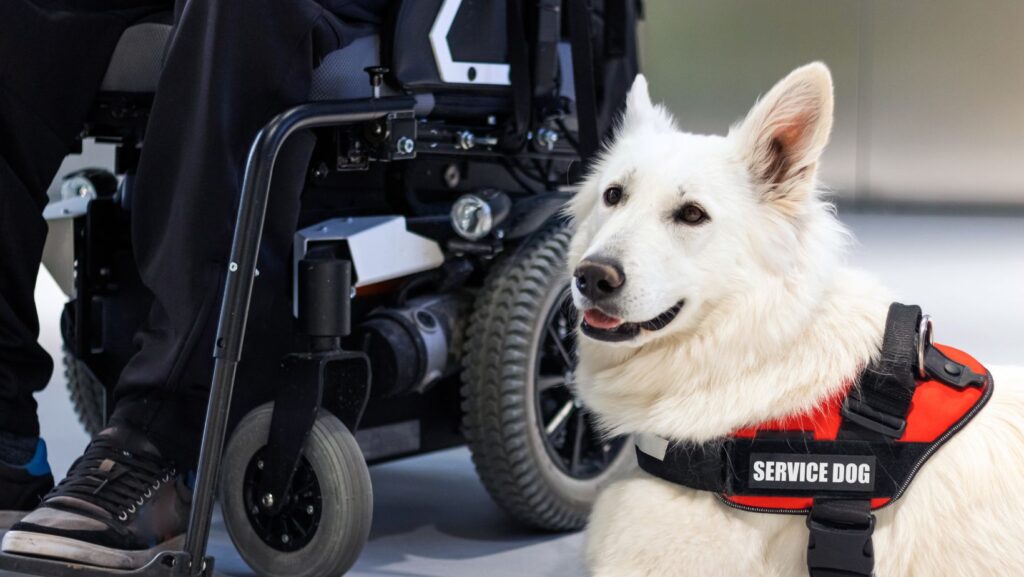
Professionally guided training also ensures that the dog meets legal public access standards and performs tasks reliably in every environment. Investing in structured education prevents behavioral problems and builds lifelong trust between the dog and handler.
Assess the Final Cost to Train a Service Dog Before You Begin
Before starting the process, it is essential to set realistic expectations about time, commitment, and expenses. Research accredited programs, compare training models, and ask how each organization handles follow-up support and recertification.
Whether you choose a nonprofit program or a guided online course, remember that a service dog is not only a companion but also a working partner. With the right investment and guidance, you can build a partnership that enhances both confidence and independence for years to come.