
Building heavy infrastructure in isolated regions presents severe logistical challenges for modern project managers. Field teams face tight deadlines, harsh weather conditions, and long supply chains far from major industrial hubs. Staying organized requires disciplined daily routines, proper housing setups, and clear digital coordination across every working shift. Structured sites maintain high productivity under demanding project timelines.
Real-Time Workforce Tracking
Field managers must maintain detailed visibility over crew schedules and location assignments every single day. Investing in proper turnkey man camp construction keeps staff well-rested and ready for grueling project milestones. Clear living arrangements directly improve daily production rates on isolated sites. Comfortably housed workers retain higher focus during complex operational maneuvers.
Modern shift management software helps site leaders monitor active staff hours across remote zones. Industry data show that over 80% of organizations now require mobile workforce management software to support remote workers. Digital attendance logging prevents scheduling conflicts and keeps daily operations running smoothly. Automated alerts notify supervisors when crews exceed regular shift limits.
Site Layout and Modular Housing Systems
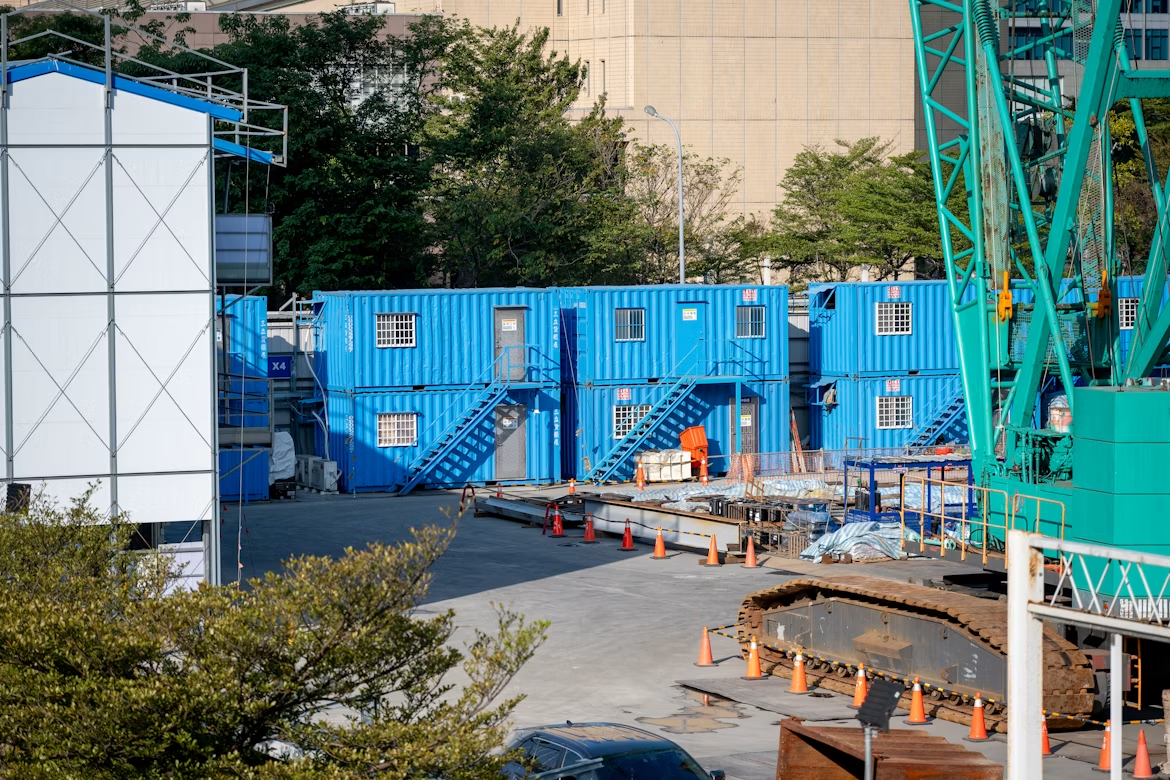
Prefabricated structures help operations set up functional base camps without experiencing severe construction delays. Market research valued the global modular construction sector at $105,805.4 million in 2024. Rapid assembly allows crews to focus immediately on core project goals rather than temporary setup work. Off-site assembly of building components reduces material waste in the primary work zone.
Building technology has progressed far beyond basic temporary shelters. Advanced manufacturing techniques and improved insulation now deliver modular housing options that equal traditional builds in quality. Sturdy accommodations keep workers safe during extreme weather events and severe seasonal temperature drops. Comfortable living quarters improve worker retention on multi-year assignments.
Zone Mapping and Site Visibility
Supervising massive sites requires automated tracking tools to monitor heavy machinery and labor distribution effectively. Software solutions offer heat map visibility into where workers spend time on active zones. Direct spatial data allows site directors to reallocate labor before expensive bottlenecks form. Location tracking speeds up emergency response times during unexpected incidents.
Finding skilled management for isolated regions remains a persistent operational hurdle across energy and mining projects. Over 80% of companies in 2024 reported difficulty hiring superintendents and project managers. Automated tracking tools reduce administrative pressure on existing supervisors by streamlining daily site audits. Connected management systems allow small managerial teams to oversee expansive footprints.
Material Logistics and Supply Planning
Delivering heavy equipment and structural components to far-flung locations requires specialized transport networks. Reports show the global modular building logistics market reached $8.4 billion in 2024. Logistics planners must coordinate transport schedules months before groundbreaking to prevent project delays. Clear supply pipelines keep materials moving smoothly across state lines.
Successful material planning relies on deep local knowledge rather than broad assumptions about isolated geography. Research papers indicate a subtle understanding of local site conditions proves necessary for accurate planning and project execution. Experienced coordinators review regional road conditions, seasonal weather shifts, and local permit regulations before dispatching freight trucks. Proactive planning mitigates transit risks early.
Digital Documentation and Communication
Paper forms often get damaged or lost when transferred across harsh field conditions. Digital reporting reduces physical paperwork and improves documentation accuracy across operational departments. Cloud sync features let off-site executives review daily logs in real time from distant corporate offices. Mobile forms make field inspection uploads fast and reliable.
Instant updates lower the risk of miscommunication between field crews and executive supervisors. Automated daily summaries keep stakeholders aligned on progress without requiring lengthy phone calls or unnecessary travel. Clear paper trails protect projects during financial audits and client progress reviews. Digital records preserve crucial project history for future site expansions.
Equipment Maintenance and Asset Management
Heavily used machinery requires scheduled maintenance stops to prevent unexpected mechanical failures in the field. Maintenance managers track engine hours and fluid levels using connected sensors attached to each machine. Timely servicing keeps multi-million-dollar assets working through heavy production schedules without costly interruptions. Predictive repairs save thousands of dollars in emergency towing costs.
Spare parts inventories must be maintained directly at the site depot to avoid long shipping delays. Keeping key replacement filters, hoses, and tires on hand eliminates days of waiting for distant deliveries. Reliable machinery keeps complex construction timelines on track month after month. Organized tool rooms allow mechanics to perform fast repairs during scheduled downtime.
Managing off-grid industrial projects requires discipline, modern software tools, and durable infrastructure. Structured planning keeps remote crews safe and productive amid severe environmental constraints. Streamlined logistics help ambitious building targets finish on time and under budget. Consistently organized operations set standard benchmarks for future remote endeavors.