

High call volumes can quickly overwhelm a small team trying to keep up with daily plans. Keeping a clear daily planner helps track office tasks, but ringing phones interrupts deep focus. Smart office systems assist teams in staying organized as they handle incoming calls.
Streamlining Daily Schedules Without Constant Phone Interruptions
Staff members often lose track of daily planner entries when calls arrive every few minutes. Answering simple questions about office hours takes time away from key tasks. Automated call systems route callers fast, so staff stay focused on their main work.
Constant noise breaks focus and causes delays across daily office projects. Setting aside quiet time blocks on desk agendas only works when phones stop ringing. Automation fills this gap by answering simple questions quietly in the background.
Good schedules depend on steady focus during busy work hours. Keeping phone friction low allows staff members to finish key tasks on time. Modern tools manage call queues to maintain steady office momentum across the day.
Modern Call Answering Technology For Busy Offices
Managing daily tasks alongside heavy call traffic requires a smart approach to front desk work. Smart AI receptionist software solutions assist busy offices by answering calls instantly and directing client requests. This keeps calendar appointments organized and prevents missed connections throughout the workday.
Desk organizers and agenda covers keep paper neat, but incoming calls need digital order. Automated tools save appointment updates right into the main calendar systems. Office teams save time by avoiding written notes after every brief call.
Teams keep full control over client records without spending half the day answering standard questions. Clear logs show who called and what info they needed. Staff members check these logs during scheduled desk breaks to keep tasks moving.
Improving Answer Rates During Peak Working Hours
Service companies struggle when many calls arrive at the exact same moment. Data indicates standard small service businesses answer roughly 71% of calls during regular hours, but installing smart voice automation raises that response rate to 99.7%. High response rates protect potential revenue and keep client schedules running on time.
Clients like fast answers when calling to check appointments or change times. Quick responses prevent callers from reaching out to other shops. Structured call routing keeps work moving along smoothly all day long.
Peak phone activity hits during middle hours of the business day. Automation manages these call surges smoothly without needing extra desk staff. Every caller gets prompt help as staff focuses on scheduled tasks.
Reclaiming Valuable Hours For Core Desk Tasks
Time management tools like desk agendas standardize daily workflows for small teams. Industry research reveals 58% of small businesses saved upwards of 20 hours per week using modern AI tools. Reclaimed hours allow staff to focus on project goals rather than phone management.
Implementing call automation offers several practical advantages for growing teams:
Saved hours turn directly into better customer service and clear schedules. Employees spend time preparing for client meetings rather than jumping between phone lines. Workday output stays high when call chaos fades away.
Managing High Interaction Volumes Efficiently
High call volume creates extra stress for team members handling daily office duties. Modern corporate statistics show roughly 22% of all company interactions run through full automation. Automated systems resolve basic questions fast, leaving tricky calls for staff attention.
Office managers gain clearer control over weekly calendars when routine queries handle themselves. Digital logs track caller details and schedule changes automatically. Desk planning becomes far more predictable when unexpected phone calls stop disrupting routine work.
Routing calls through automated systems reduces phone line crowds during busy hours. Callers get clear answers about hours, desk locations, or schedule details. Specific requests pass straight to designated team members without delay.
Creating A Balanced Office Workflow
Combining clean physical planning tools with digital phone tools builds an ideal office setup. Agenda covers protect daily physical schedules, as smartphone setups protect team focus. Both tools work together to create a smooth workday flow.
Teams work with greater confidence when incoming calls flow through organized digital channels. Fewer disruptions mean higher quality work and clean appointment records. Smart systems turn chaotic call flows into predictable business routines.
Long-term success depends on consistent daily work across all office departments. Automated phone systems provide the stability needed to maintain set schedules. Business operations run more smoothly when phone queues stay organized automatically.
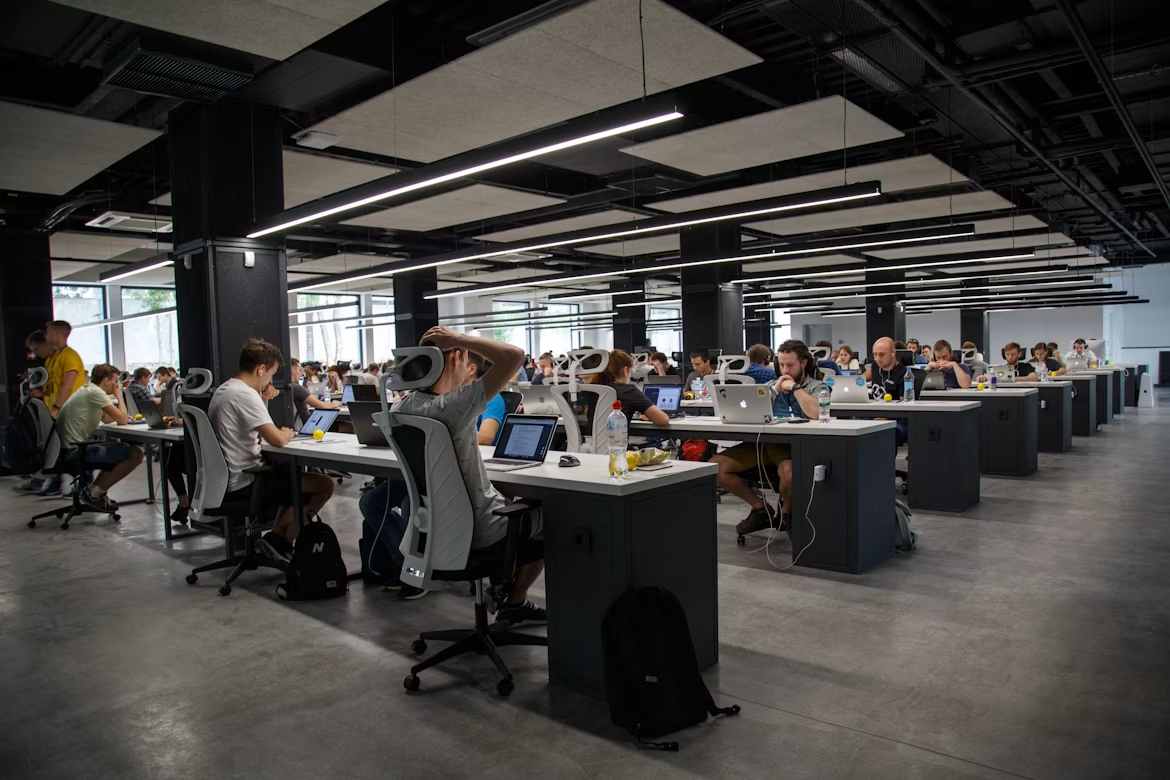
Balancing active phone lines with organized desk work requires modern tools. Automated voice software processes incoming queries as physical planners keep daily priorities organized. Adopting smart technology allows team members to handle high call volumes without losing control of their daily schedule.