
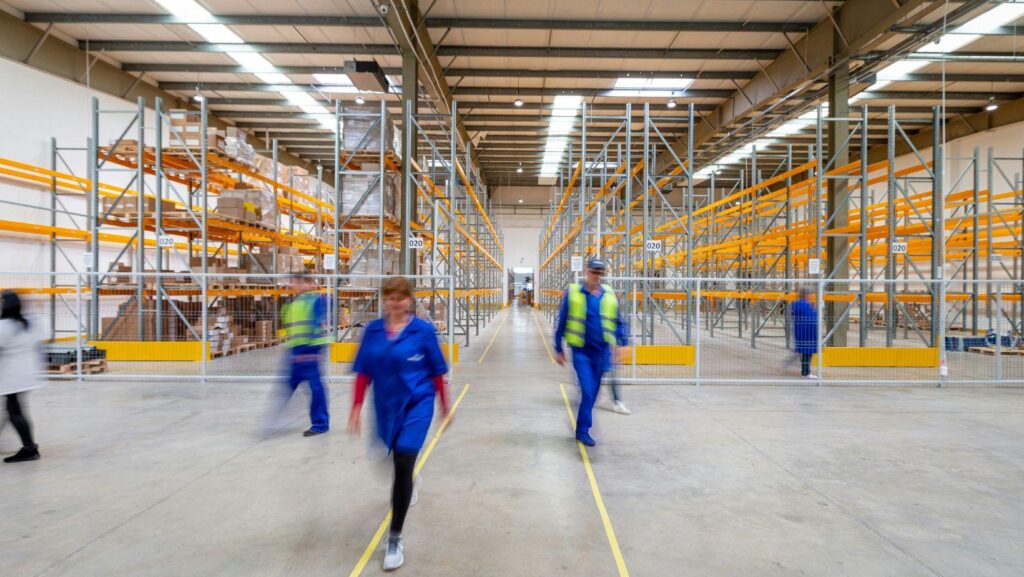
Peak shipping periods test every corner of fulfillment operations. Unplanned order volume strains packing lines, creates dock bottlenecks, and stretches existing teams past capacity. Managing these intense workload swings requires practical labor strategies that protect delivery schedules and control labor costs.
Map Operational Needs Early Before Orders Spike
Peak demand creates immediate friction across receiving docks, picking aisles, and shipping bays. Operations managers who rely on temporary staffing for peak seasons can smooth out volume swings without overextending full-time personnel. Early planning keeps workflows moving smoothly when daily order volume doubles overnight.
Setting clear targets early allows floor managers to predict exact shift requirements. Labor calculators help estimate required headcounts based on forecasted units per hour. Having an operational blueprint prevents last-minute scramble situations when order surges hit the floor. Accurate forecasting ensures proper equipment distribution across active work zones and minimizes idle time for shift supervisors.
Leverage Flexible Labor Pools to Handle Sudden Spikes
During Q4 rushes, order volume spikes quickly across every active shift. Data from staffing industry tracking indicates that peak hiring surges in 2025 pushed labor demand up by 3 to 5 times, which severely tested internal hiring teams. Facilities need access to extra workers on short notice to maintain pace.
Industry research highlights how facilities are adapting to these labor surges. Analysis reveals that modern fulfillment centers are turning to on-demand labor models to fill urgent shift gaps and manage volume spikes. Flexible arrangements allow managers to scale headcount up or down based on real-time order volume. Adjusting staffing levels day by day protects profit margins and prevents overstaffing on slower days.
Protect Fulfillment Timelines with Proactive Planning
Waiting until the warehouse floor falls behind creates severe backlog problems. An industry benchmark study revealed that 68 percent of facilities taking a reactive hiring approach experience serious fulfillment delays during rush periods. Planning shift schedules weeks in advance prevents these costly operational logjams.
Modern operations leaders take a different approach to workforce management. A workforce study showed that 77 percent of employers plan to utilize real-time labor strategy options to handle seasonal workload spikes. Proactive scheduling guarantees adequate coverage for critical order cut-off times. Early shift scheduling keeps floor productivity high throughout peak periods.
Structure Competitive Compensation and Pay Scales
Attracting reliable temporary workers requires clear financial incentives during competitive hiring seasons. Market data indicates average hourly pay rates range from $17 to $21 per hour depending on geographic region and work shift. Offering competitive wages helps facilities attract quality talent during competitive hiring windows. Clear compensation rates encourage higher attendance rates among temp crews.
Implementing organized shift structures keeps temporary labor productive from day one. Consider these key tactics for maintaining floor productivity:
Organized operational planning reduces initial confusion for temporary floor staff. Clear direction helps workers hit target picking rates faster during their shifts and maintains consistent workflow across all departments. Structured onboarding materials allow shift leaders to deploy temporary staff quickly without sacrificing safety protocols.
Stabilize Operational Margins and Retention
High turnover during rush periods drains facility budget resources. Labor analytics show industry turnover averaged 11.6 percent over the past year, with 16 percent of industry workers switching jobs entirely in 2025. High churn increases onboarding costs and slows down packing speed across active zones.
Building stable shift coverage helps protect bottom-line earnings. Operational research notes that shifting away from high-turnover patterns toward flexible labor pools protects margins and allows facilities to scale smoothly. Stable labor coverage keeps costs predictable throughout peak fulfillment cycles. Reliable shift coverage minimizes overtime expenses for core warehouse staff and preserves workforce energy. Consistent operational schedules reduce burnout among frontline team members.
Cross-Train Full-Time Personnel for Multi-Role Versatility
Shift flexibility improves when core teams understand multiple facility roles. Cross-training warehouse staff allows supervisors to reallocate labor across packing, sorting, and staging as bottlenecks shift. Core team members can step in wherever order queues build up. Cross-training boosts team confidence during high-stress fulfillment weeks.
Workers who know receiving and picking can switch duties during sudden order surges. This internal flexibility keeps product moving through fulfillment channels without added overhead. Cross-trained personnel serve as reliable anchors for temporary workers joining the team. Flexible internal teams protect facility output during peak delivery dates. Having versatile staff members prevents single points of failure in daily order processing.
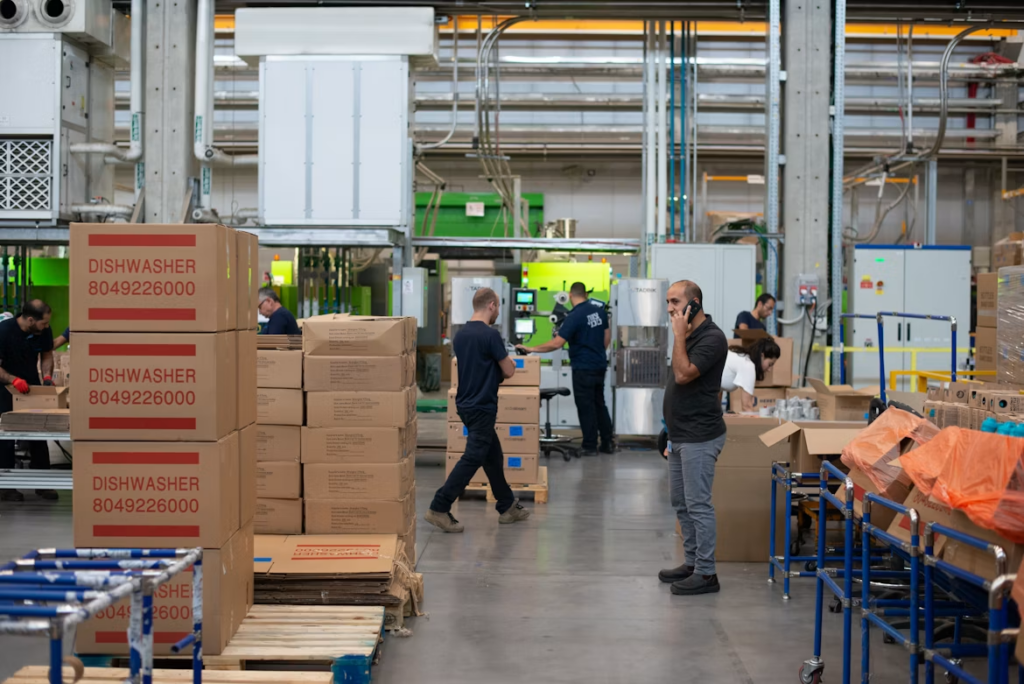
Maintaining floor control during peak seasons depends on clear scheduling and flexible staffing. Combining core team versatility with flexible labor pools keeps orders moving on time. Facilities that plan build resilient operations capable of handling any volume surge.